IPHC, UMR 7178, Université de Strasbourg, CNRS
I attended HUPO 2025 in Toronto (November 9–13), a major annual congress uniting the global proteomics community under the theme One Health Powered by Proteomics. I had an opportunity to present my poster titled “Enhanced immunopeptidomics coverage from low-input samples using optimised, automated sample preparation and finely tuned Orbitrap Astral MS”, where I showcased refinements in acquisition and chromatographic settings to elevate peptide coverage and throughput for immunopeptidomics focused on low-input material. The poster session generated productive discussions on benchmarking immunopeptidomics and highlighted shared challenges such as sample preparation for different sample types and fine-tuning of LC and MS parameters for different instrumental platforms.
Although my research contribution in HUPO centered on immunopeptidomics, I also attended spatial and single-cell proteomics tracks because of my major project that I am stepping on to which is related to spatial proteomics at the single-cell level. The Spatial and Imaging Proteomics session demonstrated how spatial proteomics is growing in immense interest in the community and its potential to be applied to clinically actionable biology. Notably, Fabian Coscia presented on the integration of spatial proteomics with computational tissue analysis to characterise tumour microenvironments, and Matthias Mann discussed large-scale spatial and single-cell proteomics for resolving tissue heterogeneity and oncology-relevant cell states. These sessions reinforced the value of high-resolution molecular profiling for microanatomical context, which is directly relevant to my current spatial proteomics work.
 Another talk of particular interest for me was the update from Claudia on the international initiative by HUPO to evaluate the robustness and inter-laboratory comparability in single-cell proteomics workflows. Rather than presenting a single dataset, the focus was on design principles for harmonisation in sample preparation, LC, and MS methods for data acquisition, followed by statistical analysis. Our laboratory was one of the participating laboratories, and I was directly involved in this work. We are aiming to establish and recommend a more robust workflow with such collaborative initiatives at different stages.
The Immunopeptidomics and Immunoproteomics session aligned strongly with my own research focus, with discussions ranging from HLA-specific ligandome mapping to scalable immunopeptidomics pipelines and high-throughput mass spectrometry for neoantigen discovery. Feedback received during and after my poster session confirmed a clear community interest in leveraging the instruments of highest sensitivity for accelerated immunopeptidome analysis.
Industry seminars additionally provided forward-looking perspectives. I participated in several breakfast and lunch seminars organized by big vendors. They highlighted not only advances enabling comprehensive system profiling in single-cell and spatial proteomics, but also in biological discovery and translational proteomics. These insights were complementary to the scientific sessions and informative for future methodological directions.
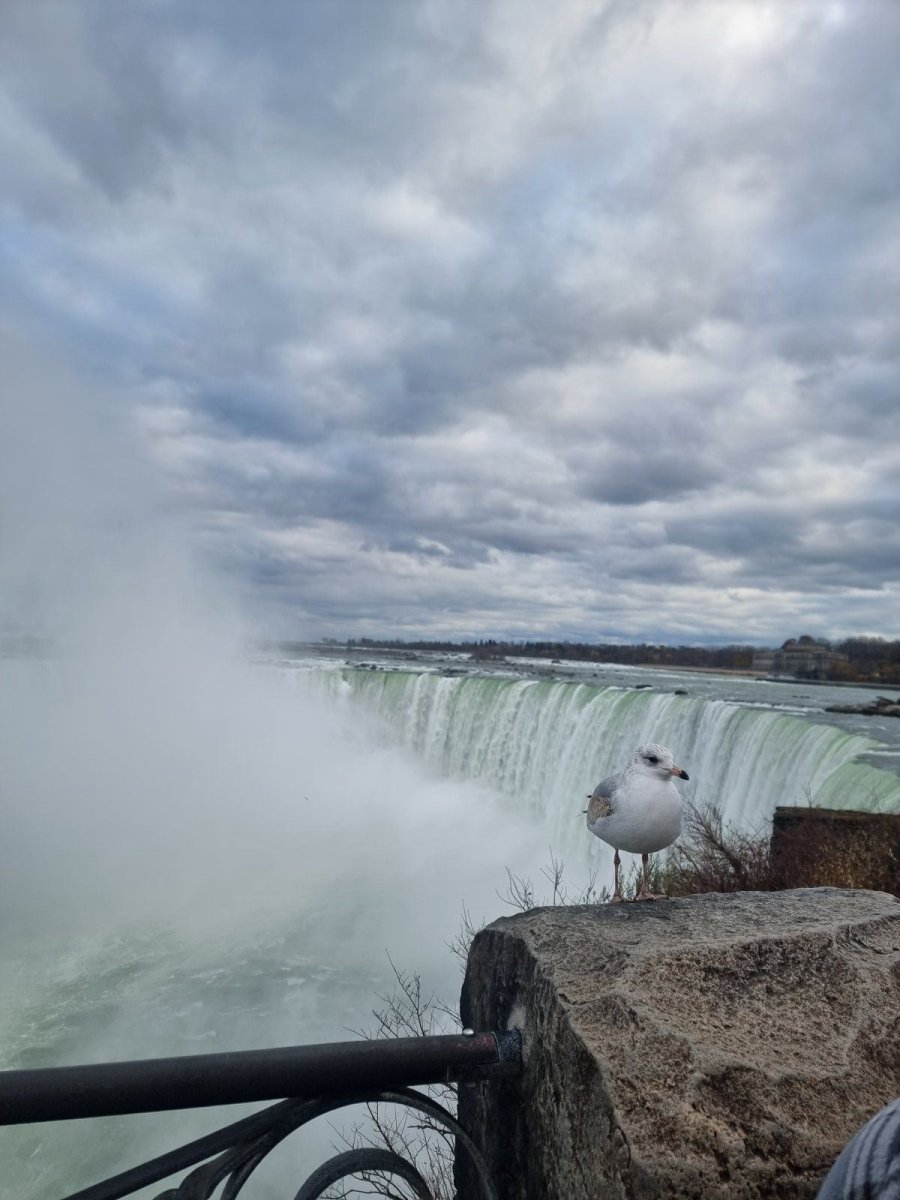
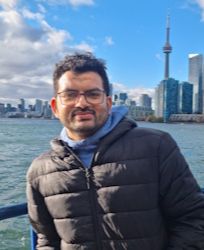
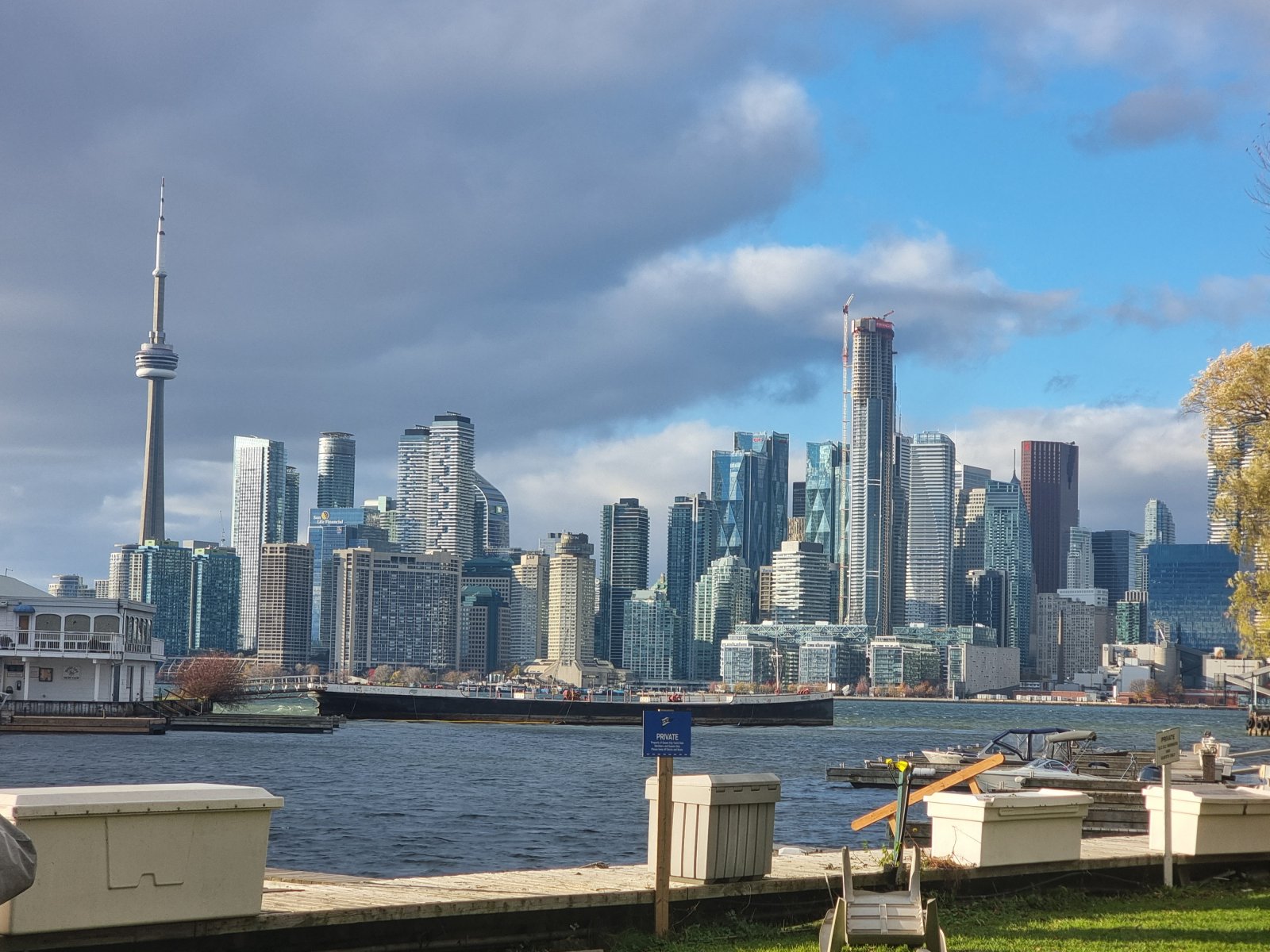
It was my first time in Canada. Therefore, the Congress was also a memorable cultural experience. Outside the scientific sessions, I had the chance to explore Toronto’s waterfront, aquarium, the incredible CN tower, visit Niagara Falls, and attend an ice hockey game, a refreshing balance to an intense but highly productive scientific week.
Altogether, HUPO 2025 was an excellent opportunity to present my work on immunopeptidomics, stay at the forefront of spatial and single-cell proteomics, and engage with the community around workflow optimisation and standardisation. The meeting provided new ideas, contacts, and potential collaborations that will directly support the next phases of my research.
I would like to thank my lab, LSMBO, and its directors, Christine Carapito and Sarah Cianferani, my colleagues, the ProteoVir project for funding part of my expenses, and the French Proteomics Society (FPS) for providing me with a travel grant that made this participation possible.